
M T Enterprises supports cement, pulp and paper, smelting, power, biomass, and iron ore industries with reliable air pollution control systems designed for harsh and demanding operating conditions.
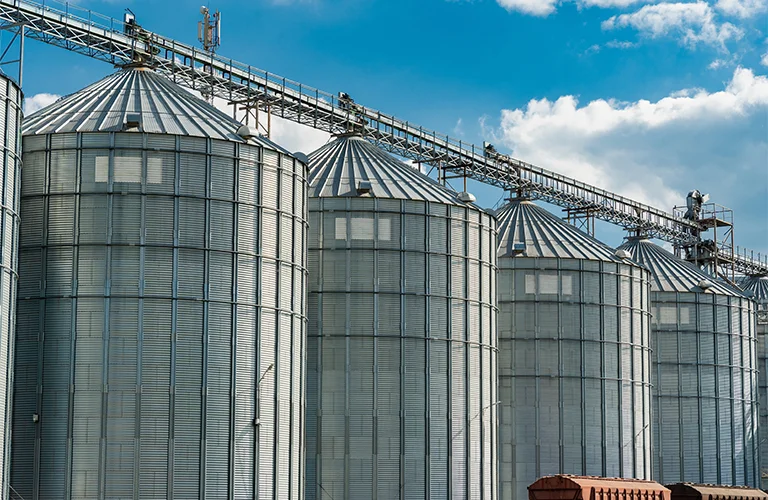
M T Enterprises provides comprehensive services for cement plants, working across three critical areas: the Cement Kiln, where raw materials are heated to extreme temperatures; the Cement Raw Mill, where limestone and other materials are ground into fine powder; and Cement Coolers, which rapidly cool the hot clinker exiting the kiln. We Work on different stages in the Cement Plants Such as:
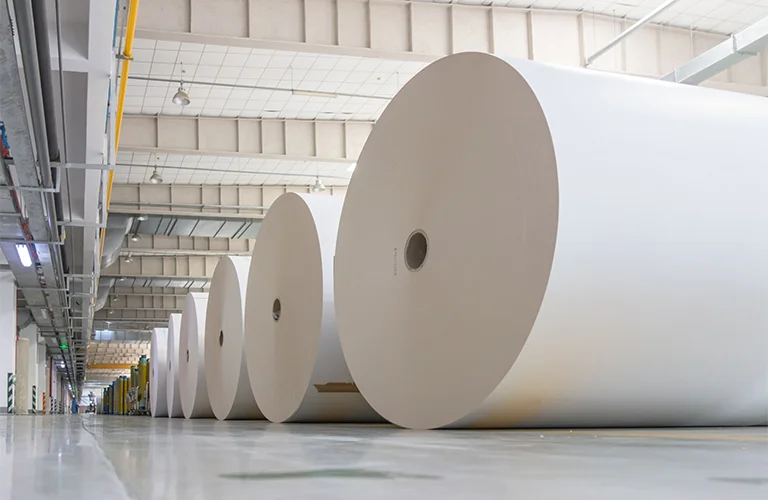
A significant technical challenge in this industry is the low resistivity of dust, which encourages re entrainment problems where collected particles become airborne again, and increases the risk of spark occurrence that can pose safety hazards—M T Enterprises' air pollution control systems are engineered to effectively manage these low resistivity dust conditions and ensure safe, efficient operation of recovery boilers. Materials Collected:
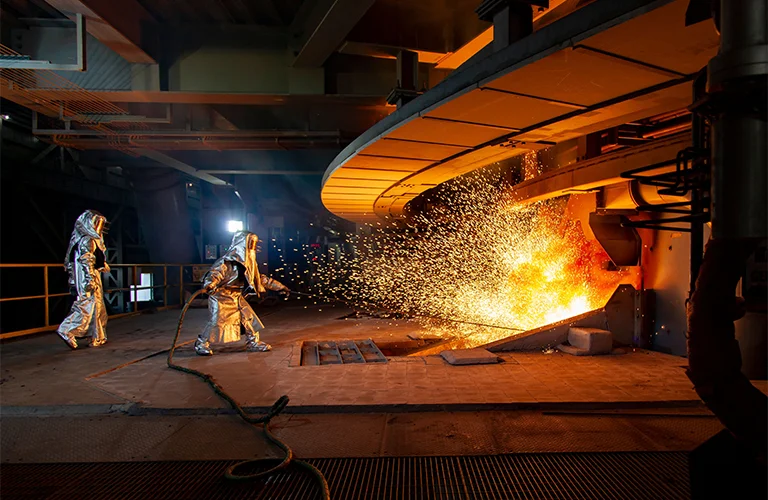
A critical technical challenge in smelters is that waste gas contains high acid dew point temperatures, which leads to the formation of sticky dusts that are difficult to collect and can cause corrosion of equipment M T Enterprises' air pollution control systems are specifically designed to withstand these corrosive, high temperature environments while effectively capturing metallic dust particles and protecting equipment from the damaging effects of acidic compounds in the waste gas stream. We Collect all metallic compounds including :
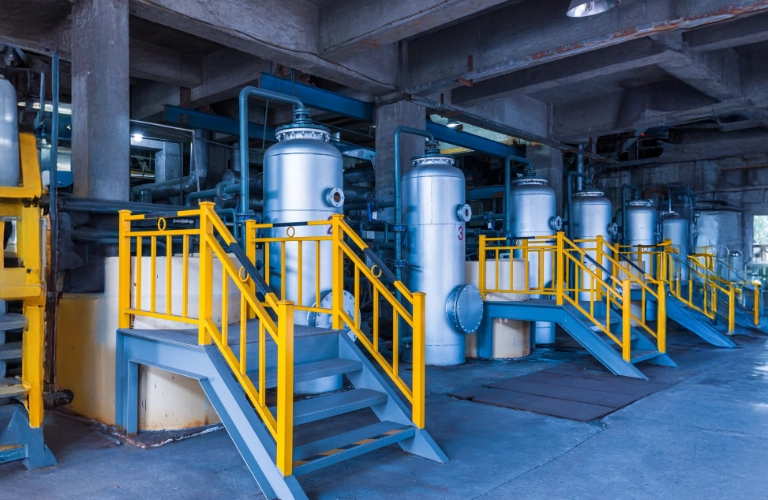
We provides specialized services for power generation facilities, specifically utility boilers that burn fossil fuels such as coal for electricity production. These boilers generate coal fly ash as a byproduct of combustion, which presents unique technical challenges depending on the type of coal being burned. Low sulfur coals produce high resistivity fly ash, making dust collection more difficult due to poor electrical conductivity, while high sulfur coals generate low resistivity fly ash that can lead to re entrainment issues and spark occurrence.
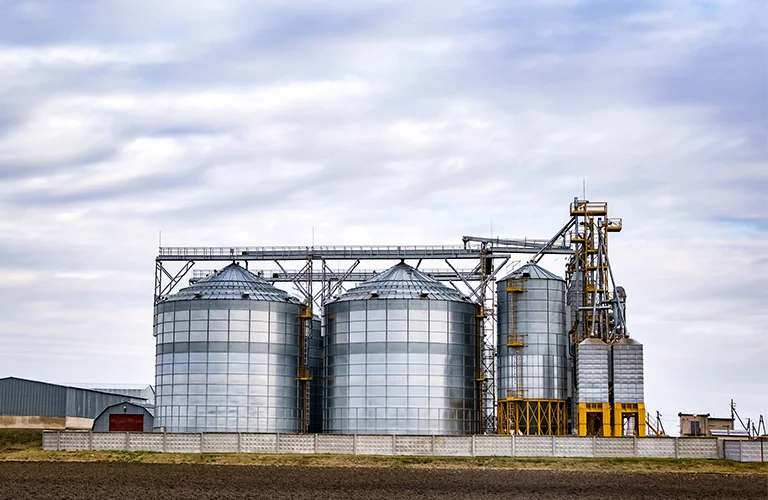
We serves the biomass power generation sector, where facilities burn renewable organic materials including bagasse, wood chips, and rice husks to produce electricity. These biomass boilers generate biomass fly ash as a combustion byproduct, which presents distinct operational challenges compared to coal fired systems. The unique properties of biomass fuels create specific technical issues that require specialized air pollution control solutions.